After breakfast at the hotel, the tour guide will pick you for guided sightseeing. This tour includes the following places:
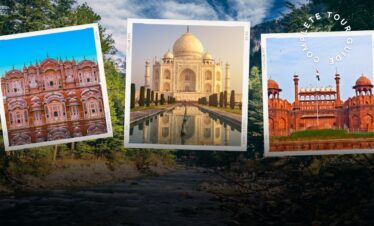
Red Fort: Known as the ‘Lal Quila’ named after its red sandstone structure, the Red Fort is one of the masterpieces of Mughal architecture. Built by Shah Jahan in the 17th century, located along the Yamuna River this fortress is now a UNESCO World Heritage Site. The 2.4 km perimeter has a Diwan-e-Am (Hall for public audience), a Rang Mahal (a water-cooled apartment of royal ladies) and a Pearl Mosque, which was constructed with white marble. Red fort’s gates face the renowned Chandni Chowk.
Jama Masjid: An architectural extravaganza constructed by Shah Jahan in 1658, the Jama Masjid is a holy place of worship for thousands and thousands of Muslims. The wonderful construction is witnessed in the long stretch of stairs and the hefty courtyard.
Chandni Chowk (Silver Street): India’s most popular markets for textiles, electronic goods, spices and more, Chandni Chowk is well-known for its flamboyant streets. Designed by Jahanara Begum, Shah Jahan’s beloved daughter, ‘the moonlit square’ as it was also known as was home to well-to-do families of that time. The draw of this market is the famous Paranthawale Gali known for its mouth-watering paranthas and famous gold market Dariba Kalan.
Raj Ghat: Calm and blissful, Raj Ghat is an elementary square platform of black marble on the banks of Yamuna River. The place symbolizes the spot where Mahatma Gandhi ‘The Father of the Nation’ was cremated.
India Gate: 42 metre high, the arch-shaped India Gate was built in 1931 the memory of the 90,000 soldiers of the Indian Army who died in World War I. Formerly called the All India War Memorial the walls of the monument are engraved with names of the warriors. Later an addition was an eternal flame near the arch honors the Amar Jawan (Immortal Soldier).
Rashtrapati Bhavan (President’s House): The authorized residence of the President of the country, the palatial building was designed by British architect Lutyens and served as the official residence of the Viceroy when the British ruled India.
Humayun’s Tomb: Nestled amid lush gardens, the mausoleum of the Mughal Emperor Humayun was built by his widow Haji Begum in his memory. The garden tomb is one of the world heritage sites inscribed by UNESCO and is said to be the motivation behind the 'wonder of the world' Taj Mahal.
Qutub Minar: Built in the southern part of the capital, Qutub Archaeological Complex was built by the Muslim King; Qutab–ud–din Aibak in 1199 A.D. It is the oldest of monuments in Delhi to be granted the status of a UNESCO World Heritage Site. The Minar (tower) is 72.5 meters tall and its base is a mosque.
Overnight stay in Delhi.